



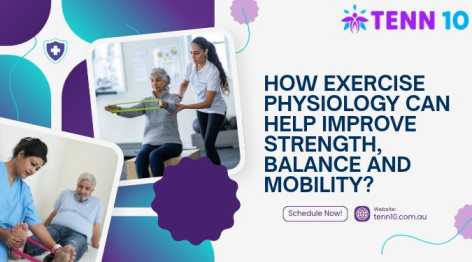
Maintaining strength, balance and mobility is essential for enjoying an active, independent lifestyle. However, ageing, injuries, chronic health conditions and prolonged inactivity can affect how comfortably and confidently you move. Exercise physiology offers a structured approach to improving physical function through personalised, evidence-based exercise programs. Whether you want to build muscle strength, reduce your risk of falls or move more comfortably during everyday activities, working with a qualified exercise physiologist can help you develop a safe and achievable fitness routine.
What Is Exercise Physiology?
Exercise physiology uses exercise and physical activity to support health, improve physical function and help manage various health conditions. Accredited exercise physiologists assess your individual needs, abilities and goals before developing an appropriate exercise program.
Unlike general fitness training, exercise physiology can incorporate specific exercises designed around injuries, mobility limitations, chronic conditions and rehabilitation goals. Programs are adjusted as your strength, confidence and physical capacity improve.
How Exercise Physiology Improves Strength, Balance and Mobility
Builds Muscle Strength and Endurance
Muscle strength supports everyday activities such as climbing stairs, carrying groceries, standing from a chair and lifting household items. Reduced strength can make these tasks more difficult over time.
Exercise physiologists in Oran Park may prescribe resistance exercises, bodyweight movements and functional training to strengthen key muscle groups. Gradually increasing exercise intensity helps improve muscular endurance and supports greater independence in daily life.
Improves Balance and Coordination
Balance plays an important role in walking safely, changing direction and navigating uneven surfaces. Reduced balance can increase the risk of falls, particularly among older adults and people recovering from injuries.
A personalised exercise program may include controlled weight shifts, single-leg balance activities and coordination exercises suited to your abilities. These activities can improve postural control, body awareness and confidence during everyday movement.
Enhances Mobility and Flexibility
Mobility refers to your ability to move comfortably and perform functional movements. Joint stiffness, muscle weakness and inactivity can limit your range of motion and make routine tasks challenging.
Exercise physiology programs may combine gentle mobility exercises, stretching, strengthening and functional movement training. These activities can help improve joint movement, movement control and your ability to complete daily tasks more comfortably.
Who Can Benefit from Exercise Physiology?
Exercise physiology may benefit older adults, people recovering from injuries, individuals managing chronic health conditions and anyone experiencing reduced physical capacity. Programs can also support people who want to improve fitness safely or maintain independence as they age.
Working with an exercise physiologist in Oran Park can help you access individualised guidance based on your health, mobility and personal goals. Similarly, consulting an exercise physio in Narellan can provide an opportunity to discuss suitable exercise strategies and develop a structured plan for improving physical function.
A qualified professional can monitor progress and modify exercises as your abilities change.
Why Choose a Personalised Exercise Program?
Everyone has different physical abilities, health considerations and goals. A personalised program considers these differences and introduces exercises at an appropriate level.
Regular progress reviews help identify improvements, address difficulties and maintain motivation. Consistency is important, as gradual improvements in strength, balance and mobility often develop through sustained participation and appropriate exercise progression.
Exercise physiology can play an important role in improving strength, balance and mobility through targeted, individualised exercise. With professional guidance, you can work towards moving more confidently, completing everyday activities more comfortably and maintaining an active lifestyle.
Contact Us Today
Ready to improve your physical function? Contact Therapeutic Exercise N Nutrition to discuss your goals and explore personalised exercise physiology options. Take the first step towards building strength, improving balance and moving with greater confidence.
Call us at 0414 870 902 or email us at linda.tenn10@hotmail.com for more information.
FAQs
1. What is exercise physiology, and how can it improve physical function?
Exercise physiology uses evidence-based exercise programs to improve physical fitness, strength, balance, mobility and overall health. An accredited exercise physiologist assesses your abilities, health conditions and goals before developing a personalised program to help you move more confidently and perform everyday activities more comfortably.
2. Can exercise physiology help improve muscle strength?
Yes, exercise physiology can help improve muscle strength through tailored resistance training, bodyweight exercises and functional movements. These activities can strengthen muscles used for walking, climbing stairs, lifting objects and standing from a chair. Exercises are progressively adjusted to match your abilities and physical goals.
3. How does exercise physiology help improve balance?
Exercise physiology can improve balance through targeted activities such as controlled weight shifts, coordination exercises and supported standing movements. These exercises help develop body awareness, postural control and movement confidence. A personalised program may also help reduce the risk of falls, particularly for older adults and people with mobility limitations.
4. Can exercise physiology improve mobility and flexibility?
Yes, a structured exercise program can help improve joint mobility, flexibility and movement control. Depending on your needs, an exercise physiologist may recommend stretching, strengthening exercises and functional movement activities. These exercises can make everyday tasks, such as walking, bending and reaching, easier and more comfortable.
5. Who can benefit from exercise physiology services?
Exercise physiology may benefit older adults, people recovering from injuries, individuals managing chronic health conditions and those experiencing reduced strength or mobility. It can also support people who want to improve their fitness, maintain independence or return to physical activity safely after a period of inactivity.
6. How can an exercise physiologist in Oran Park help improve strength and balance?
An exercise physiologist in Oran Park can assess your physical capabilities, identify areas for improvement and develop an exercise program tailored to your needs. Your program may include resistance training, balance activities and mobility exercises, with regular progress reviews to help you work towards your personal health and movement goals.
7. What can I expect from an exercise physio in Narellan?
An exercise physio in Narellan can help you understand your current physical abilities and identify suitable exercises for improving strength, balance and mobility. Depending on your assessment, your program may include functional training, flexibility exercises and progressive resistance activities designed around your health considerations and lifestyle.
8. How often should I do exercise physiology sessions?
The recommended frequency depends on your health, fitness level, goals and the type of exercises prescribed. Some people may benefit from supervised sessions once or twice a week alongside suitable home exercises. Your exercise physiologist can recommend an appropriate schedule and adjust it as your physical capacity improves.
9. How long does it take to see improvements in strength, balance and mobility?
Progress varies depending on your starting fitness level, health conditions, exercise consistency and program design. Some people notice improvements in movement confidence within a few weeks, while meaningful strength and mobility gains may take longer. Regular participation and gradual progression are important for achieving sustainable results.
10. Why choose Therapeutic Exercise N Nutrition for exercise physiology support?
Therapeutic Exercise N Nutrition can be contacted to discuss your exercise and physical wellbeing goals. Ask about available services, individualised exercise programs and support options suited to your needs. Working with a qualified professional can help you develop a structured approach to improving strength, balance and mobility safely.

